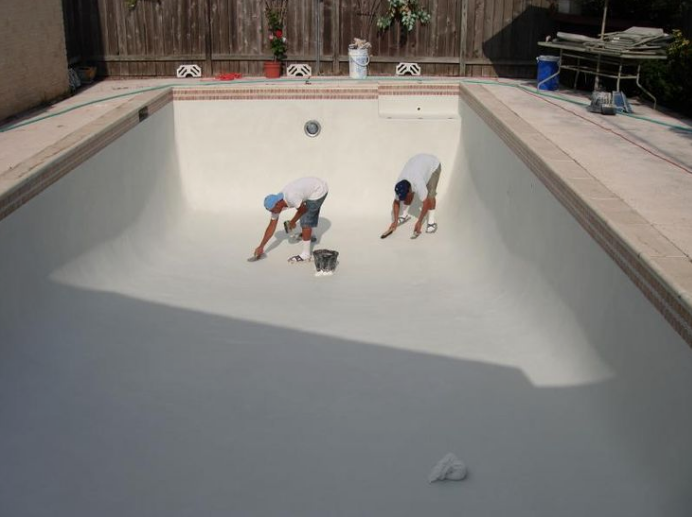
A swimming pool is a major investment, and its interior finish plays an important role in its appearance, comfort, durability, and overall condition. When the surface becomes rough, stained, cracked, discolored, or worn, pool plastering can restore the interior and give an aging pool a fresh, finished appearance.
For homeowners, the challenge is knowing whether a pool needs a small repair, complete replastering, or a broader resurfacing project. The right solution depends on the age and condition of the existing surface, water chemistry, previous repairs, and the type of pool finish selected.
This guide explains pool plastering services, how the process works, when pool plaster replacement makes sense, what affects cost, and how to choose a qualified professional for your project.
Key Takeaways
- Pool plaster is the interior surface that creates a smooth, watertight finish inside many concrete swimming pools.
- Professional pool plastering can address worn, rough, stained, or deteriorated pool surfaces.
- Minor damage may require pool plaster repair rather than full replastering.
- Extensive deterioration may call for pool plaster replacement or pool plaster resurfacing.
- The right pool finish affects appearance, texture, durability, and maintenance.
- Proper surface preparation and installation are essential for long-term results.
- Balanced pool water chemistry helps protect a new plaster surface after installation.
- Homeowners should compare experience, materials, preparation methods, warranties, and project details before hiring pool plaster contractors.
What Is Pool Plastering?
Pool plastering is the process of installing or restoring the interior cementitious surface of a concrete swimming pool. Pool plaster forms a finished layer between the pool shell and the water, providing a smooth, watertight interior surface.
Traditional pool plaster commonly consists of cement and carefully selected aggregates. Modern options can include upgraded materials and specialty finishes designed to provide different colors, textures, and visual effects.
The term can describe several related services, including:
- New pool plaster installation
- Pool replastering
- Swimming pool replastering
- Pool plaster repair
- Pool plaster replacement
- Pool plaster restoration
- Pool plaster resurfacing
- Pool plaster renovation
- Pool finish installation
Although these terms are sometimes used interchangeably, the actual scope of work can vary considerably.
Why Does a Pool Need Plaster?
Concrete pool structures are strong, but the interior surface still requires an appropriate finish. Pool plaster helps create a continuous interior surface that is suitable for contact with water and comfortable for swimmers.
A properly installed pool interior finish can:
- Create a smooth swimming surface
- Improve the pool’s visual appearance
- Protect the underlying pool structure
- Provide a watertight interior layer
- Cover an aging or deteriorated surface
- Refresh outdated pool interiors
- Create a new color or decorative appearance
The finish also interacts with the pool’s water chemistry. Maintaining appropriate water balance after installation is therefore an important part of protecting the surface.
Signs You May Need Pool Plastering
How do you know when it is time to consider professional pool plastering?
Look for changes in the surface rather than relying only on the pool’s age.
1. Rough or Uncomfortable Surface
A once smooth pool interior may gradually become rough. Surface deterioration can make walking or swimming uncomfortable and may indicate that the finish is approaching the end of its useful life.
2. Persistent Staining
Some discoloration comes from water chemistry, metals, organic materials, or environmental conditions. If staining remains after appropriate cleaning and chemical treatment, the underlying finish may need professional evaluation.
3. Cracking or Surface Damage
Visible cracks, chips, hollow areas, or other deterioration should be assessed by an experienced pool professional. Not every imperfection requires complete replastering, but significant damage should not be ignored.
4. Flaking or Delamination
If portions of the surface are separating or deteriorating, localized repair may no longer provide a suitable long-term solution.
5. Exposed Aggregate or Underlying Material
Significant wear can expose aggregate or other underlying layers. This is a strong reason to have the pool interior professionally inspected.
6. An Aging Interior Finish
Older plaster does not automatically mean a pool needs replacement. However, age combined with roughness, staining, cracking, or widespread deterioration can make pool replastering a practical renovation option.
Pool Plaster Repair vs. Pool Replastering
One of the most important decisions is determining whether the existing surface can be repaired or needs replacement.
Pool plaster repair is generally appropriate when damage is limited to specific areas and the surrounding finish remains structurally and cosmetically serviceable.
Pool replastering involves removing or preparing the existing finish and installing a new interior surface across the pool.
A professional may recommend repair when:
- Damage is localized
- The majority of the finish remains sound
- The problem can be properly isolated
- The homeowner wants to extend the life of the existing surface
Replastering may make more sense when:
- Surface deterioration is widespread
- The pool has extensive roughness
- Staining is persistent and extensive
- Multiple areas require repair
- The existing finish has reached the end of its practical service life
- The homeowner wants a completely refreshed pool interior
A qualified contractor should inspect the pool rather than recommending replacement based solely on age.
What Is Pool Plaster Resurfacing?
Pool plaster resurfacing is the process of renewing the interior surface of an existing pool rather than rebuilding the entire pool shell.
Depending on the pool’s condition and the selected system, resurfacing may involve surface preparation, removal of deteriorated material, repairs to the substrate, and installation of a new pool finish.
The precise process depends on the existing surface and the material being installed.
For homeowners, the key distinction is simple:
Resurfacing renews the pool’s interior finish while preserving the existing pool structure when that structure remains suitable for the project.
This can make resurfacing an attractive renovation option when the pool shell itself is in satisfactory condition.
How Does Professional Pool Plastering Work?
The exact procedure varies by contractor and finish, but a typical project involves several important stages.
Step 1: Pool Inspection and Project Planning
The contractor evaluates the existing pool surface, identifies visible damage, discusses finish options, and determines the appropriate preparation requirements.
Step 2: Draining the Pool
The pool is drained according to appropriate site and drainage considerations.
Step 3: Surface Preparation
Proper preparation is one of the most important parts of professional pool plaster installation.
Depending on the existing condition, preparation can include:
- Removing deteriorated material
- Cleaning the surface
- Addressing damaged areas
- Preparing the substrate
- Repairing appropriate defects
- Establishing a suitable surface for the new finish
Step 4: Plaster or Finish Installation
The selected pool plaster finish is applied across the prepared pool interior according to the manufacturer’s and contractor’s installation requirements.
Consistent application matters because variations in material, application, timing, or curing can affect the final appearance.
Step 5: Finishing and Inspection
The surface is finished and inspected for consistency, coverage, and visible imperfections.
Step 6: Initial Water Filling and Start-Up
The pool is refilled and placed into an appropriate start-up and water-management routine.
Step 7: Water Chemistry Management
New plaster requires careful attention during the initial start-up period. Proper water chemistry helps reduce the risk of surface problems and supports the development of a durable finish.
How Long Does Pool Plastering Take?
The actual project duration varies based on pool size, surface condition, preparation requirements, weather, selected finish, contractor scheduling, and other site-specific factors.
A straightforward residential replastering project may progress relatively quickly once preparation begins, but homeowners should ask contractors for a project-specific schedule rather than relying on a generic timeline.
Ask:
- When will preparation begin?
- How long will surface preparation take?
- How long will installation take?
- When will the pool be refilled?
- What start-up procedures are required?
- When can the pool be returned to normal use?
Getting these details in writing helps prevent misunderstandings.
Choosing the Right Pool Finish
The pool finish is one of the most visible parts of a replastering project. Traditional white plaster remains a popular choice, while homeowners can also consider upgraded finishes with different colors, textures, and aggregate characteristics.
Traditional White Pool Plaster
White plaster creates a classic, clean appearance and can produce a bright blue water color under suitable lighting and water conditions.
It is often considered when homeowners want a straightforward, traditional pool plaster finish.
Colored Pool Finishes
Pigmented or colored finishes can create different visual effects and may complement surrounding landscaping and hardscape.
The final water appearance depends on more than plaster color. Pool depth, sunlight, water chemistry, lighting, and surrounding materials can all influence how the finished pool looks.
Aggregate Finishes
Aggregate-based finishes incorporate selected materials into the surface to create different textures and visual characteristics.
Depending on the system, aggregates may include natural stone or other specialty materials.
Specialty Pool Finishes
Some homeowners choose premium finishes designed to create distinctive colors, textures, or decorative effects.
When comparing finishes, consider more than appearance. Ask about:
- Material composition
- Texture
- Expected maintenance
- Manufacturer specifications
- Installation requirements
- Warranty coverage
- Water chemistry requirements
- Long-term appearance
What Affects Pool Plastering Cost?
There is no single price that applies to every pool plastering project.
The total investment can depend on:
- Pool size
- Pool depth
- Existing surface condition
- Amount of surface preparation
- Required repairs
- Selected pool finish
- Material costs
- Labor
- Pool accessibility
- Steps, benches, and other features
- Removal or disposal requirements
- Water and start-up procedures
- Additional renovation work
A basic finish may have a very different price from a premium aggregate finish.
How to Compare Pool Plastering Estimates
Do not compare contractors based only on the lowest number.
Review whether each estimate clearly identifies:
- Existing surface preparation
- Removal requirements
- Repairs
- Pool finish material
- Application process
- Start-up procedures
- Cleanup
- Warranty
- Additional project charges
A detailed estimate makes it much easier to compare proposals fairly.
How to Choose a Pool Plastering Company
Choosing the right pool plastering company is just as important as choosing the finish.
Look for a contractor with relevant experience in concrete pool interiors and ask detailed questions before signing a contract.
Questions to Ask Pool Plaster Contractors
- How many pool replastering projects do you complete?
- What finishes do you install?
- Who performs the actual plaster application?
- How do you prepare the existing surface?
- What repairs are included?
- What finish would you recommend for my pool?
- How do you handle the initial water start-up?
- What warranty is provided?
- Is cleanup included?
- Can you provide references or examples of completed work?
- What factors could increase the final project price?
Look Beyond the Sales Pitch
Professionalism should be visible throughout the process.
A reliable contractor should be willing to explain the work clearly, provide a detailed proposal, discuss material options, and answer questions about preparation and aftercare.
Homeowners should also verify applicable licensing, insurance, business credentials, and local requirements before hiring a contractor.
Professional Pool Plastering in a Coastal Florida Environment
Pools in coastal Florida face environmental conditions that deserve consideration during renovation planning.
Strong sunlight, heat, rain, humidity, pool water chemistry, and exposure to outdoor elements can all influence pool maintenance.
That does not mean a particular finish is automatically better for every home. Instead, homeowners should discuss their specific pool, maintenance habits, water chemistry, and desired appearance with an experienced professional.
A good contractor should explain how the selected finish is expected to perform under the conditions surrounding the pool.
Pool Plaster Restoration and Renovation
Not every pool needs a simple plaster replacement.
A larger pool plaster renovation can combine interior resurfacing with other improvements, depending on the condition and design of the pool.
Possible renovation considerations include:
- New waterline tile
- Updated coping
- Pool deck improvements
- Step and bench repairs
- Lighting upgrades
- Equipment improvements
- Drain and fitting updates
- Decorative finish changes
- Interior surface restoration
Combining projects may allow homeowners to coordinate several improvements while the pool is already out of service.
However, every additional renovation should be evaluated based on its condition, purpose, and expected value rather than added simply because the pool is being replastered.
How to Maintain a New Pool Plaster Finish
A new pool finish deserves careful maintenance, especially during the initial start-up period.
Maintain Appropriate Water Chemistry
Water chemistry is essential for protecting pool surfaces and equipment. Test the water regularly and maintain the chemical balance recommended for the specific finish and start-up process.
Follow the Contractor’s Start-Up Instructions
Do not assume that a newly plastered pool should be managed exactly like an older pool.
Your contractor should provide instructions for the initial fill, chemical balancing, brushing, filtration, and return to normal operation.
Keep the Surface Clean
Regular brushing and appropriate cleaning can help prevent contaminants from accumulating on the surface.
Monitor Changes
Pay attention to:
- New discoloration
- Rough areas
- Cracking
- Scaling
- Surface changes
- Persistent stains
Early evaluation can help distinguish normal appearance changes from problems that require professional attention.
Common Pool Plastering Mistakes to Avoid
Choosing Based Only on Price
The cheapest estimate may not include the same preparation, materials, repairs, or warranty as a higher-quality proposal.
Ignoring Surface Preparation
A beautiful finish cannot compensate for inadequate preparation. Ask specifically how the existing surface will be prepared.
Selecting a Finish Without Considering Maintenance
Appearance matters, but so do texture, water chemistry, maintenance requirements, and long-term expectations.
Skipping the Water Start-Up Process
The initial water-management process is an important part of protecting a new finish.
Hiring Without Checking Credentials
Before choosing pool plaster contractors, verify relevant business credentials, insurance, experience, and applicable local requirements.
Is Pool Replastering Worth It?
For a concrete swimming pool with a deteriorating interior but a fundamentally serviceable structure, pool replastering can be a practical way to restore the pool’s appearance and swimming surface without replacing the entire pool.
The value depends on the pool’s condition and the homeowner’s goals.
Replastering may be worth considering when:
- The interior is visibly deteriorated
- The pool remains structurally suitable
- Repairs are becoming increasingly frequent
- The finish looks outdated
- The surface is uncomfortable
- The homeowner wants a major cosmetic refresh
If structural concerns exist, those should be evaluated separately. Pool plaster is an interior finish; it should not be treated as a solution for every structural pool problem.
Pool Plastering Near Me: What Should Homeowners Look For?
When searching for pool plastering near me, focus on quality and local experience rather than proximity alone.
A useful search and evaluation process is:
- Find several qualified local pool plastering companies.
- Review their relevant experience.
- Examine examples of completed projects.
- Confirm applicable credentials and insurance.
- Request detailed written estimates.
- Compare preparation and finish specifications.
- Ask about warranties.
- Discuss maintenance and start-up requirements.
- Select the contractor offering the best combination of experience, communication, scope, and value.
Local knowledge can be useful because contractors familiar with the area’s homes, climate, pool designs, and environmental conditions may better understand common project considerations.
Frequently Asked Questions
How often does a swimming pool need replastering?
There is no universal replacement schedule. Pool plaster life depends on the material, installation quality, water chemistry, maintenance, usage, and environmental conditions. Surface condition is a better indicator than age alone.
How do I know if my pool needs repair or replastering?
Localized damage may be repairable, while widespread roughness, cracking, staining, or deterioration may indicate that complete pool replastering is more appropriate. A professional inspection can determine the best option.
What is the difference between pool plaster and pool resurfacing?
Pool plaster is a type of interior pool finish. Pool resurfacing is the broader process of renewing an existing pool’s interior surface. Plastering may therefore be one form of pool resurfacing.
How long does new pool plaster last?
The service life varies according to the finish, installation quality, water chemistry, maintenance, usage, and environmental conditions. Proper installation and consistent water management can help maximize the life of the finish.
Can you change the color of a pool during replastering?
Yes. Replastering provides an opportunity to select a different finish color or material, subject to the options offered by the contractor. The resulting water appearance will also depend on pool depth, lighting, water conditions, and surrounding features.
Final Thoughts
A worn pool interior does not necessarily mean the entire swimming pool needs to be replaced. Professional pool plastering can renew the interior finish, improve the swimming surface, and give an aging pool a significantly refreshed appearance.
The best results start with an accurate assessment of the existing surface and continue through proper preparation, quality material selection, professional installation, and careful water management.
Whether you need pool plaster repair, pool plaster replacement, pool plaster resurfacing, or complete swimming pool replastering, compare contractors carefully and choose a professional who can clearly explain the scope of work and finish options.
If your pool surface has become rough, stained, cracked, or visibly worn, schedule a professional evaluation to determine whether repair, restoration, or full replastering is the right solution for your pool.